

Purchasing a home is one of the most important milestones in life. It is a journey filled with excitement and joy. However, for many, it can also be a source of anxiety due to the uncertainty of the timeline. No matter whether you have experience or not, whether you are in the suburbs of New York, a professional looking for a flat in London, or an investor in Melbourne, the question remains the same: How long is the process to buy a house?
Usually, the journey from deciding to buy to holding the keys in your hand takes from four to six months. However, this timeline is influenced by local market conditions, your financial readiness, and the complexity of the legal system in your specific country.
At House Styling Hub, we know that moving into a new home can feel overwhelming. That’s why understanding your timeline is essential. In this comprehensive guide, we break down the stages of the home-buying process and offer insights into what you can expect during each phase.
1. The Pre-Search Phase: Financial Foundations (6+ Months Before)
Before you fall for that perfect property, you need to build your financial resume. This groundwork phase is often overlooked, yet it’s critical for ensuring a smooth transaction down the line.
Credit Health
In markets such as the USA and parts of Europe where credit scores are used, your credit score directly affects the interest rate you are offered and, ultimately, how much home you can afford. Start monitoring your credit at least six months in advance if you need to make improvements. Disputing errors or paying down balances can take months to show up on your score, so early action is essential.
Reality check: The median credit score for new mortgages in the US is around 772, but many lenders will approve scores as low as 620 for conventional loans. (Bankrate, n.d.)
Saving for Your Deposit
Depending on your location, you’ll need about 3% – 20% of the home’s value as a down payment. Recent data shows the median down payment is around 14%. But not only that but set aside an additional 2% to 5% for closing costs that often catch buyers off guard: stamp duty, legal fees, survey costs, and transfer taxes.
Getting Pre-Approved
This step is non-negotiable. A mortgage pre-approval (called an Agreement in Principle in the UK) shows you exactly what you can afford and signals to sellers that you’re a serious buyer, not some who is just browsing. The process typically takes one to two weeks once you submit your tax returns, pay stubs, and bank statements.
2. The Search Phase: Finding “The One” (1 to 4 Months)

This is one of the most important step of our timeline. The house-hunting phase is the most variable part of the timeline. For some, the perfect house appears in the first week; for others, it takes months of weekend viewings and online browsing.
Market Inventory
In a “seller’s market” where inventory is low, you may find yourself in bidding wars, which can extend the search process significantly.
Refining Your Needs
Use the first month to visit various neighborhoods. Often, buyers realize that their “must-haves” (like a large garden) might be less important than their “nice-to-haves” (like a shorter commute).
Online vs. Reality
While most home searches begin online, photos can be deceiving. Budget enough time to see at least 5 to 10 properties in person to calibrate your expectations.
3. The Offer and Negotiation Phase (1 to 7 Days)
Once you find a property that fits your style and budget, things move quickly.
Submitting the Offer
Your agent will help you draft a contract. In competitive markets, you may only have 24 hours to decide before another buyer steps in.
Earnest Money/Deposit
To show you’re serious, you’ll typically provide a deposit (earnest money in the US). This is often 1% to 5% of the purchase price. Also it is held in a secure account until the deal closes.
The Counter-Offer
It’s rare for a seller to accept the first offer without negotiation. Expect a day or two of back-and-forth regarding price, repair credits, or the closing date.
4. The Administrative Marathon: Under Contract (30 to 90 Days)
This is the “behind-the-scenes” phase of home buying which is the time between an accepted offer and the final handover. Depending on where you live, this phase goes by different names: Escrow in the US, Conveyancing in the UK, or Settlement in Australia.
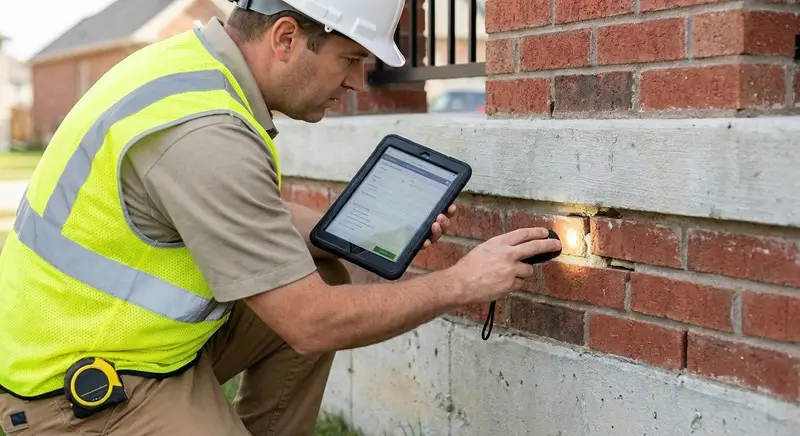
The Inspection and Survey (1 to 2 Weeks)
The Appraisal (1 to 2 Weeks)
Your lender will hire a third-party appraiser to ensure the house is actually worth what you’re paying. If the appraisal comes in low, it can create a delay as you negotiate a lower price or find extra cash to bridge the gap.
The Legal Work (2 to 12 Weeks)
Your solicitor or conveyancer will perform a “title search” to ensure no one else has a legal claim to the property. Also, they’ll conduct local authority searches (planning permissions, environmental risks, etc.). This is often the stage where delays occur. Especially if there’s a “property chain“. A property chain is a scenario in which the seller’s purchase of another property depends on the sale of their current house.
In the UK: Conveyancing typically takes 12 to 17 weeks from the moment your offer is accepted, though straightforward cases can complete in as little as 4 weeks.
In the US: The escrow period is usually 30 to 45 days, with the current average around 44 days from contract to closing.
5. Finalizing the Mortgage (3 to 5 Weeks)
Even with a pre-approval, the lender must perform “underwriting.” They’ll verify your employment one last time and scrutinize every detail of the property. So this is very important phase od this timeline.
Pro Tip: During this time, don’t make any large purchases (like a new car or furniture on credit) and don’t change jobs. Any shift in your financial profile can cause the lender to deny the loan at the eleventh hour.
6. Closing the Deal: The Finish Line (1 to 3 Days)
The final week is a whirlwind of paperwork.
The Final Walk-Through
Usually 24 hours before closing, you’ll visit the house one last time to ensure it’s in the agreed-upon condition and that the seller has moved out.
Signing the Paperwork
You’ll meet with a notary or lawyer to sign dozens of documents. In the US, this is the “Closing,” while in the UK, it’s the “Completion.”
Funding
Once the bank wires the money to the seller, the keys are yours.
Regional Breakdown: Why the Timeline Varies
| Country | Typical Timeline (From Offer Acceptance) | Key Milestone |
|---|---|---|
| United States | 30–50 Days | Escrow: A neutral third party holds funds while inspections and appraisals occur. Average is currently 44 days. |
| United Kingdom | 12–17 Weeks | Conveyancing: Extensive legal checks and the potential for “broken chains” often slow things down. Can be as quick as 4 weeks in simple cases. |
| Australia | 30–90 Days | Settlement: A fixed period where the buyer’s solicitor ensures a “clear title” before the final wire. |
| Europe (General) | 2–4 Months | Notary Intervention: Most EU countries require heavy involvement from a government-appointed notary. |
Note: These timelines begin from offer acceptance. Add 1-6 months of preparation and searching to get the complete picture.
How to Speed Up the Process
While you can’t control the bank or the seller, you can take steps to keep the momentum going:
Be Digitally Organized: Have your bank statements, tax returns, and ID scanned and ready in a secure folder.
Respond Immediately: If your lender asks for a document at 10:00 AM, try to send it by 11:00 AM. A one-day delay on your end can turn into a three-day delay for the bank.
Choose a “Chain-Free” Property: If you’re in the UK or Europe, buying a vacant home or a new build (where the seller isn’t waiting to move) can shave weeks off the timeline.
Work with Local Experts: A local real estate agent knows the common “bottlenecks” in your specific city and can help you navigate around them.
Final Thoughts from House Styling Hub
So, how long is the process to buy a house? From preparation to keys in hand, expect anywhere from three to nine months. The actual paperwork and legal process typically takes one to four months depending on your location, but the preparation starts much earlier.
By understanding these stages, you can manage your expectations and use the waiting period to plan your interior design and styling for your new space. Buying a home is a marathon, not a sprint. Take the time to do it right, and soon you’ll be walking through your new front door, ready to turn a house into a home.
After the house purchase, most buyers face a common challenge: how to decorate beautifully on a tight budget. Our economy decoration guide shows you exactly how.